


 Check for Free Delivery
Blog
Types of Food Distributors in Sydney: Which Fits Your Menu

Whether you’re well established or planning a brand-new venture, a food service business is nothing without a dependable supply chain. Finding the right supplier and setting up the right processes is the most crucial decision to make.
So, if you’ve been trying to find a new food distributor in Sydney, we’re going to break down five of the most common food distributor types, and provide some advice to help you find one that fits your menu.
What should you look for in a Sydney food distributor?
Selecting a food distributor is about more than finding the cheapest suppliers. The right partner needs to fit the way your kitchen operates, from the products you need through to delivery times and ordering processes.
A small cafe, a busy restaurant and a large venue will all have different requirements. Some businesses need large volumes of everyday staples, while others rely on specialty ingredients that are harder to source.
The best distributor is the one that matches your menu, order habits and day-to-day operations.
What types of food distributors are available?
Do a quick search for “food distributors in Sydney” and you’ll likely find a diverse range of options. The trick is knowing who does what, and what category they fall into.
The Greater Sydney area has a wide range of wholesale food suppliers, and most usually belong to these categories. Of course, many of these labels can and often do apply to the same supplier.
Broadline distributors
These suppliers tend to focus on volume. They typically stock large quantities of everyday products such as frozen goods, pantry staples, meat, dairy and beverages. They are often a good option for venues with predictable orders and a focus on keeping costs low.
Wholesale suppliers
Wholesale suppliers bridge the gap between large-scale supply chains and the specific needs of local businesses. They source a wide variety of products and offer them in bulk quantities, enabling hospitality venues to manage their inventory through reliable wholesale orders. Fooddristribute offer a personalised level of service, reliability, and responsiveness that larger chains often miss.
Specialty food distributors
Focusing on harder-to-find ingredients, these suppliers often stock imported products and premium lines. They are popular with restaurants, cafes, bakeries and dessert businesses that need products beyond the standard wholesale range. It’s worth noting that many wholesale suppliers can also source and deliver the specialty products you need, from meat and seafood to chocolate, coffee, Japanese staples, and much more.
Fresh produce suppliers
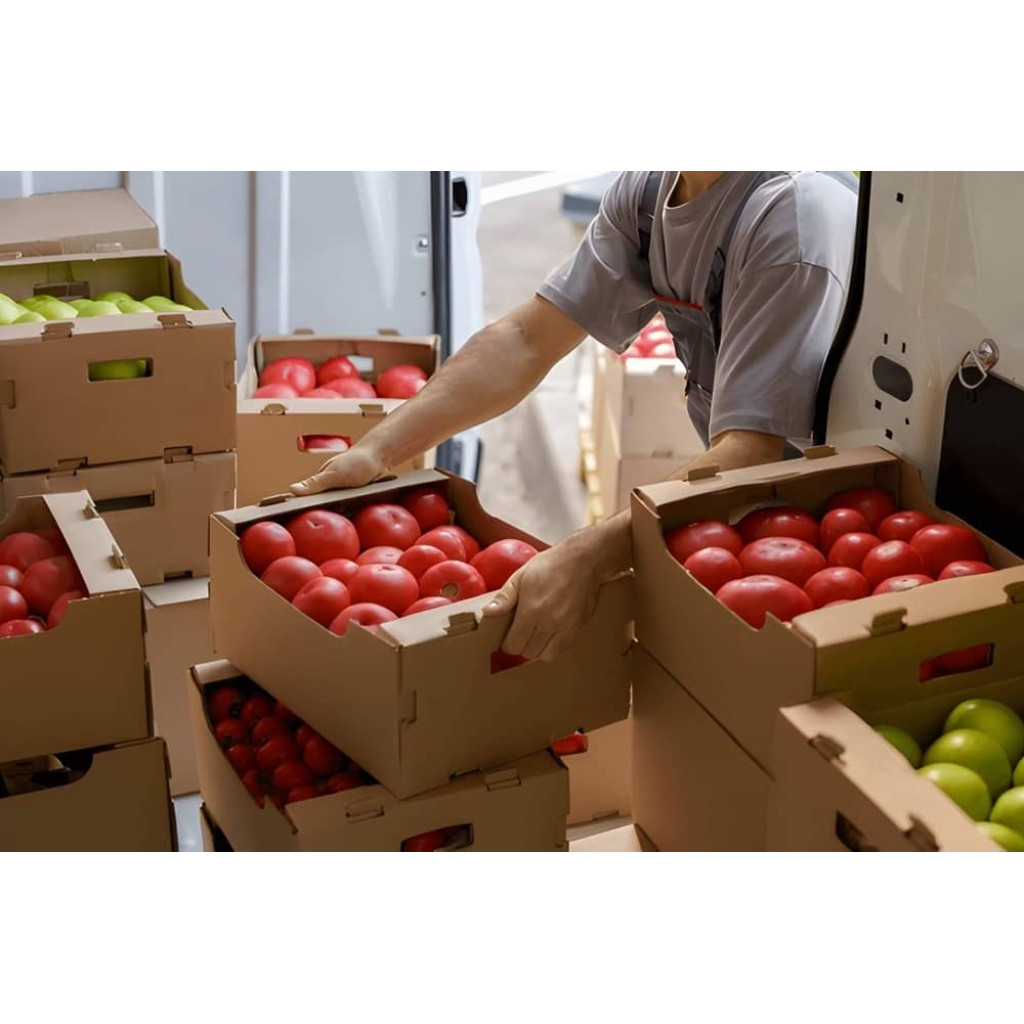
Fresh produce suppliers specialise in delivering fruit and vegetables to restaurants, cafes, caterers and other food businesses.
These suppliers are often used by venues that rely heavily on fresh ingredients, update their menus regularly or need access to specific seasonal produce. Many businesses continue to source fresh produce separately because quality, availability and timing can have a direct impact on their menu.
Category specialists
Category specialists focus on a specific area of food supply rather than offering a broad range of products.
This can include seafood suppliers, meat suppliers, bakery ingredient suppliers, coffee suppliers, beverage suppliers and dairy specialists.
These suppliers often provide greater product knowledge and a deeper range within their category. However, businesses may need to work with several specialists alongside other suppliers to cover all their kitchen requirements.
What about B2B and B2C food suppliers?
If you’re searching for a reliable wholesale food supplier, it’s also important to understand the difference between B2B and B2C businesses.
B2B (business-to-business) food suppliers work directly with other businesses. This is the traditional wholesale model used by restaurants, cafes, bakeries, caterers, hotels and other hospitality operators. Customers usually create a trade account and place regular orders based on their kitchen requirements, menu needs and stock levels.
Having a reliable B2B supplier is essential for quite a lot of hospitality-based businesses. Regular deliveries allow the kitchen to maintain stock, manage busy periods and access the ingredients they need without relying on standard retail stores.
B2C (business-to-consumer) food suppliers, on the flip side, sell directly to individuals. This allows home cooks, food enthusiasts and smaller buyers to access products that are often only available through wholesale channels.
This can be particularly valuable for specialty ingredients that are difficult to find through supermarkets, such as imported pantry items, premium baking products, artisan ingredients and gourmet products.
At Foodistribute, we operate across both B2B and B2C markets. Through our service, hospitality businesses can access wholesale products for their operations, while home cooks can purchase quality ingredients without needing to operate a commercial kitchen or maintain a trade account.
Why do businesses often need multiple suppliers?
Many food businesses rely on several suppliers to access the full range of products they need.
A bakery, for example, may use different suppliers for:
- Flour and baking essentials
- Premium chocolate and specialty ingredients
- Dairy products
- Packaging and other kitchen supplies
A restaurant may have separate suppliers for:
- Meat and seafood
- Fresh produce
- Dairy products
- Imported or specialty ingredients
Using multiple suppliers can help businesses access specific products and expertise, but it can also create extra administration.
Every additional supplier means another account to manage, another invoice to process and another delivery schedule to coordinate. Minimum order requirements, different ordering systems and varying delivery times can make weekly purchasing more complicated than it needs to be.
How important is online ordering for food suppliers?
We’re currently in an era where so much of what we order takes place online. Hospitality is no different. While many traditional suppliers still rely on phone calls, sales representatives or printed catalogues, online ordering has made purchasing faster and more convenient.
Modern online food marketplaces allow customers to:
- Search for products quickly
- View available stock
- Reorder regular items easily
- Place orders outside traditional business hours
- Manage purchases in one central location
However, technology should not replace customer support. A good supplier should still be available when you need help finding a product, replacing an unavailable item or resolving an issue with an order.
The best wholesale suppliers combine the convenience of online ordering with the support of a knowledgeable team that understands the needs of food businesses.
What should you look for in a wholesale food supplier?
Choosing a wholesale food supplier is about more than finding the lowest price. The right supplier should support the way your business operates.
Product range
A large catalogue does not always mean a better supplier. What matters is whether the range is relevant to your business.
Look for a supplier that stocks the everyday products you regularly use while also providing access to specialty ingredients that support your menu.
Reliability
Consistent stock availability and dependable delivery are essential for any food business.
A supplier should have reliable processes in place so you can plan orders confidently and avoid disruptions caused by missing products or delayed deliveries.
Ordering process
Ordering should be simple and efficient.
Whether you prefer online ordering, regular account management or direct support, the process should fit naturally into your business routine rather than create extra work.
Customer service
A good supplier should be more than just a place to buy products.
Having access to a team that can answer questions, help find products and provide solutions when issues arise can make a major difference.
Flexibility
Food businesses change regularly. Menus evolve, new products are needed and supply challenges can occur.
A flexible supplier that can source products, suggest alternatives and adapt to your requirements can become a valuable long-term partner.
Why Foodistribute is a trusted choice for Sydney businesses
Foodistribute is both a B2B and B2C marketplace for buyers such as cafes, restaurants, food service businesses and individuals to place orders and get quality products at competitive prices.
From staples to specialty products, you can find a fantastic range of high-quality products sourced from reputable brands. This includes supplies for cafes, bakeries, restaurants, and various other types of venues across Sydney.
We provide many types of dairy products, baking chocolates, pantry goods, Asian products and more. If you cannot find a product that you want on our website, you can contact us directly and we’ll do our best to source the product that you want. There’s also a collection of cooking equipment and material for sale.
Frequently Asked Questions
What types of food distributors operate in Sydney?
Sydney’s wholesale food industry includes several types of suppliers, including broadline distributors, wholesale suppliers, specialty food distributors, fresh produce suppliers and category specialists. Each type serves a different purpose, with some focusing on everyday essentials and others specialising in premium, imported or category-specific products.
What is the difference between a broadline distributor and a specialty food distributor?
Broadline distributors focus on supplying large volumes of everyday products such as frozen goods, pantry staples, dairy, meat and beverages. Specialty food distributors focus more on premium, imported and harder-to-find ingredients used by restaurants, cafes, bakeries and other hospitality businesses.
Many businesses use a combination of both depending on their menu and purchasing needs.
Do food distributors in Sydney only supply restaurants and cafes?
No. While many wholesale food suppliers primarily work with hospitality businesses, some also supply home cooks and individuals. B2B suppliers typically service restaurants, cafes, caterers and other businesses through trade accounts, while B2C suppliers allow everyday customers to access quality ingredients without needing to operate a commercial kitchen.
Is it better to use one food supplier or multiple suppliers?
Many businesses use multiple suppliers to access specific products, such as fresh produce, seafood, meat or specialty ingredients. However, managing several suppliers can create extra administration through multiple invoices, delivery schedules and ordering systems.
Using a supplier with a wider product range can help simplify purchasing while still giving businesses access to the ingredients they need.
Can a wholesale food supplier provide specialty ingredients?
Yes. Many wholesale suppliers and specialty distributors provide premium and imported ingredients that are not typically available through standard retailers. This can include products such as artisan cheeses, baking chocolates, Japanese pantry items, specialty oils, vinegars and gourmet ingredients.
What is the benefit of ordering from an online food marketplace?
An online food marketplace makes ordering more convenient by allowing customers to browse products, check availability, reorder regularly used items and place orders outside traditional business hours.
For hospitality businesses, this can save time and make it easier to manage stock levels. However, a good supplier should still offer customer support when assistance is needed.
Does Foodistribute supply both businesses and home cooks?
Yes. Foodistribute operates across both B2B and B2C markets, supplying hospitality businesses such as cafes, restaurants and food service operators, while also allowing home cooks and individuals to purchase quality ingredients through its online marketplace.
What products can I buy from Foodistribute?
We supply a range of specialty and everyday food products, including dairy products, baking chocolates, pantry goods, Asian ingredients and more. If you cannot find a product online, you can contact the team and we will do their best to source it.
-
 A Buyer’s Guide to Callebaut Couverture
By Foodistribute Founded in Belgium way back in 1911, Callebaut has been setting a new standard for the art of chocolate making for more than a century. Today, one of their signature products is the Callebaut couverture, a chocolate carrying enough cocoa butter to flow thin and set with a snap. Below, we’ll explain some […]
Read More -
 Wholesale Bakery Supplies: How One Supplier Can Streamline Your Operations
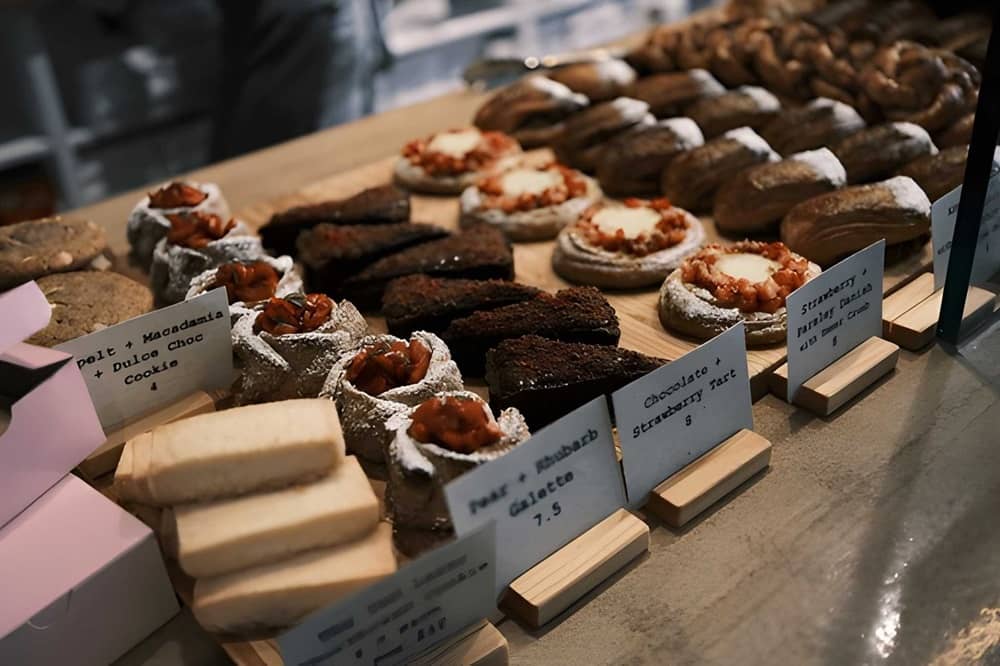
Running a business that needs wholesale bakery supplies? If so, you might be wondering if it’s better to partner with a single supplier or multiple. This is a good question to ask and there’s certainly a lot to consider. That’s exactly what we’re going to cover today. In this article, we’ll explain the differences between the […]
Read More -
 Wholesale Food Supply: Important Questions to Ask as a Buyer
Wondering if using a wholesale food supplier is the right move for your business? From reliable supply to accessing specialty products, there are certainly a range of benefits on offer if you decide to use this approach. If this is your first time using a wholesale supplier, it’s only natural to have a few questions. […]
Read More -
 How Can I Find the Right Wholesale Food Supplier? Key Criteria and Qualities to Look For
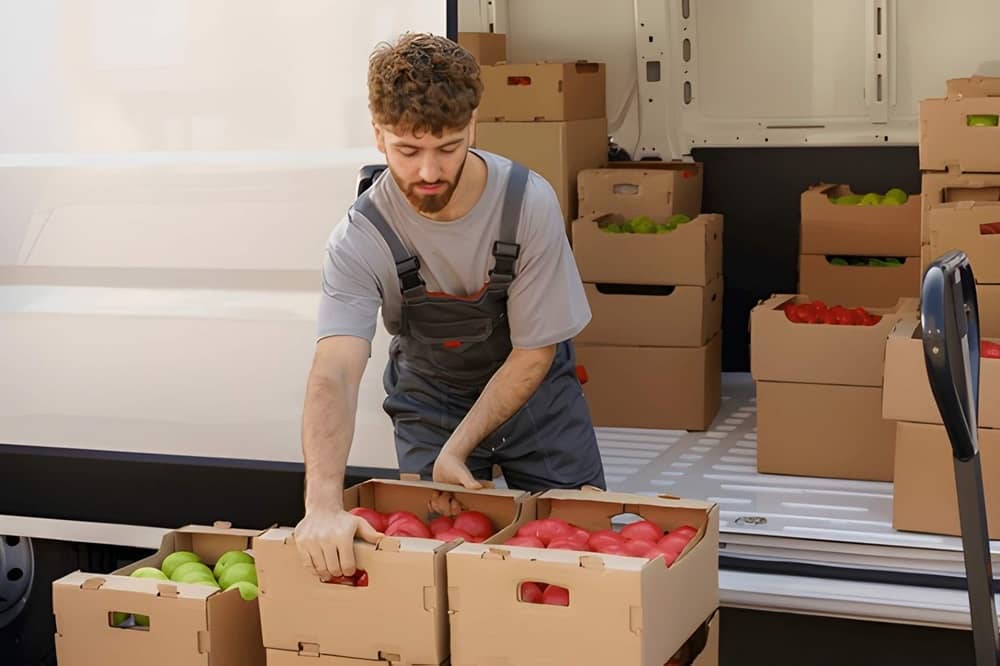
From cafes to bakeries, pubs, and restaurants, a reliable supply chain is integral to anyone in the Australian food service industry. When deliveries show up on time and as promised, operations naturally fall into place. When things don’t arrive on schedule and orders aren’t fulfilled, trouble is likely to follow. The question is – ‘How […]
Read More