


 Check for Free Delivery
Blog
Wholesale Food Supply: Important Questions to Ask as a Buyer

Wondering if using a wholesale food supplier is the right move for your business? From reliable supply to accessing specialty products, there are certainly a range of benefits on offer if you decide to use this approach.
If this is your first time using a wholesale supplier, it’s only natural to have a few questions. Luckily, that’s exactly what we’re going to cover right now. In this article, we’ve compiled eight of the most important questions to ask as a buyer.
Let’s jump straight into it.
1. What products do they stock?
The first question is often the most important. A supplier might advertise thousands of products, but that doesn’t mean they necessarily stock the items your business relies on.
Some wholesalers focus on everyday pantry staples, while others specialise in imported foods, artisan ingredients or products for specific cuisines. A lot of food-service businesses benefit the most from a supplier that offers both, and this is because it makes it easier to place one order instead of managing several accounts.
As you compare suppliers, look for a range that includes:
- Dry goods and pantry essentials
- Fresh, chilled and frozen products
- Imported and speciality ingredients
- Baking supplies and foodservice products
- Products that suit your menu or business
- Organic goods and fair-trade certified products
2. Is there a minimum order?
Many wholesale food suppliers have a minimum order value for deliveries. This kind of practice is usually in place to cover transport and handling costs, particularly for refrigerated products.
Some suppliers won’t deliver unless you reach a minimum spend, while others accept smaller orders but charge a delivery fee. Understanding how this works helps you avoid ordering more than you actually need.
Before committing, ask:
- Is there a minimum order value?
- Is there a delivery fee for smaller orders?
- Can I place smaller top-up orders during busy periods?
- Are there any products with minimum purchase quantities?
If your order size changes from week to week, a supplier with flexible ordering can help reduce waste and unnecessary spending.
3. Where do they deliver, and how often?
Reliable deliveries are just as important as competitive pricing. Even the best product range won’t help if stock arrives too late for service.
Ask how often deliveries are made to your area, what the daily order cut-off is, and whether regional deliveries follow a different schedule. These details can make a big difference when planning your weekly orders.
It’s also worth checking:
- Which suburbs or regions they service
- Standard delivery days
- Order cut-off times
- How they handle urgent or last-minute orders
A delivery schedule that matches your business can help you keep stock levels under control and avoid unnecessary pressure during busy trading periods.
4. Do you need an ABN or trade account?
Not every wholesale food supplier operates in the same way. Some only work with registered businesses, while others allow individuals and smaller operators to purchase products without a formal trade account.
Before signing up, check what type of customer the supplier works with and what information they need from you.
Traditional wholesale accounts
Many wholesalers set up trade accounts for businesses such as:
- Cafes and restaurants
- Bakeries and catering companies
- Food retailers
- Hospitality businesses
A trade account may provide access to wholesale pricing, account management support and other ordering features.
Buying without an ABN
Some suppliers also allow customers to purchase wholesale products without an ABN, depending on their business model and the type of products they sell.
If you are starting a new food business, always check the supplier’s requirements before placing an order. Having the right account setup from the beginning can make ordering easier as your business grows.
5. How do payment terms work?
Payment options may vary from supplier to supplier, so it’s important to understand how you will be charged before opening an account and committing to an order.
Some wholesalers require payment at the time of purchase, while others offer credit terms for approved business customers.
Common payment arrangements include:
- Paying upfront when placing an order
- Weekly or monthly invoices
- Approved credit accounts
- Standing payment arrangements
If you are managing cash flow carefully, ask how often invoices are issued, when payments are due and whether any fees apply.
A supplier with payment options that suit your business can make managing regular orders much simpler.
6. What happens if products are out of stock?
Even reliable suppliers occasionally run out of certain products. The important thing is how they handle these situations.
A good supplier should have a clear process for keeping you informed and helping you find alternatives when needed.
Before choosing a supplier, ask:
Will they contact you if an item is unavailable?
Some suppliers will let you know before replacing an item, while others may automatically provide a suitable alternative.
Are substitutions available?
For regular ingredients and everyday products, substitutions can help avoid delays and keep your business running as planned.
Can they source specific products?
If you need imported, speciality or hard-to-find ingredients, check whether the supplier can source products outside their standard range.
A supplier’s communication and flexibility can be just as valuable as their product selection. Clear updates and reliable alternatives can save time when stock issues occur.

Looking for great food that doesn’t hurt the Earth? Foodistribute is a commercial food supplier with more than 25 years of hands-on industry experience. We offer quality products for Australian based restaurants, cafes, pubs, kitchens, and more. Explore our range or contact us today.
7. Can anyone buy wholesale food?
Wholesale food suppliers operate in different ways. Some are designed specifically for registered businesses, while others allow a wider range of customers to purchase products.
Before choosing a supplier, it is worth checking their requirements and understanding how their ordering process works.
Traditional wholesale suppliers often focus on businesses such as restaurants, cafes, catering companies and food retailers. These suppliers may require an ABN or trade account before allowing customers to access their full range or wholesale pricing.
Other suppliers are more flexible and may allow smaller businesses, start-ups or individuals to purchase products without setting up a formal trade account.
If you are starting a new food business, it is important to find a supplier that matches your needs. A straightforward ordering process, suitable product range and flexible purchasing options can make managing food supplies much easier.
8. What food safety requirements should new food businesses know about?
Before selling food to customers, new businesses need to understand their food safety responsibilities.
Food safety requirements vary depending on the type of business, the food being prepared and where the business operates. In Australia, food businesses generally need to notify the relevant local council or food regulator before starting operations.
New food businesses should take the time to understand their obligations around food handling, storage, hygiene and preparation practices.
Good to know: Working with a reliable wholesale food supplier can support your own food safety processes. Suppliers that handle products correctly, maintain suitable storage conditions and provide dependable deliveries can make it easier to manage your responsibilities.
Always check the specific requirements that apply to your business before trading.
Frequently Asked Questions
How do I choose the right wholesale food supplier?
Start by looking at the products they stock, their delivery options, ordering process and customer support. The best supplier is one that fits the way your business operates and makes regular purchasing easier.
How often should I place wholesale food orders?
This depends on your business, storage space and the type of products you use. Some businesses order several times a week, while others prefer larger weekly or fortnightly orders.
What should I ask a wholesale food supplier before opening an account?
Before committing, ask about:
- Product availability
- Minimum order requirements
- Delivery areas and schedules
- Payment options
- How they handle unavailable products
These details will help you compare suppliers and choose one that suits your day-to-day operations.
Can wholesale suppliers deliver fresh and frozen products?
Many wholesale food suppliers offer fresh, chilled and frozen products, but the range and delivery options vary between businesses. Always check that a supplier can provide the products you need and has suitable delivery processes in place.
Why is delivery reliability important for food businesses?
Reliable deliveries help businesses maintain stock levels, plan menus and avoid disruptions. A supplier with consistent delivery schedules can make managing daily operations much simpler.
Foodistribute: Leading Wholesale Food Suppliers in Australia
At the end of the day, finding a wholesale food supplier is about more than comparing prices. Food service businesses need a supplier that provides the right products, delivers reliably and makes ordering simple.
At Foodistribute, we’ve helped businesses source a wide range of wholesale food products since 1998. Sourcing high-quality products from trusted brands, our goal is to make it easier for cafes, restaurants, retailers and other food businesses to find great ingredients at a reasonable price.
Whether you’re looking for wholesale bakery supplies, an Asian grocery supplier, or dependable commercial food suppliers, we’re just the team to trust.
-
 A Buyer’s Guide to Callebaut Couverture
By Foodistribute Founded in Belgium way back in 1911, Callebaut has been setting a new standard for the art of chocolate making for more than a century. Today, one of their signature products is the Callebaut couverture, a chocolate carrying enough cocoa butter to flow thin and set with a snap. Below, we’ll explain some […]
Read More -
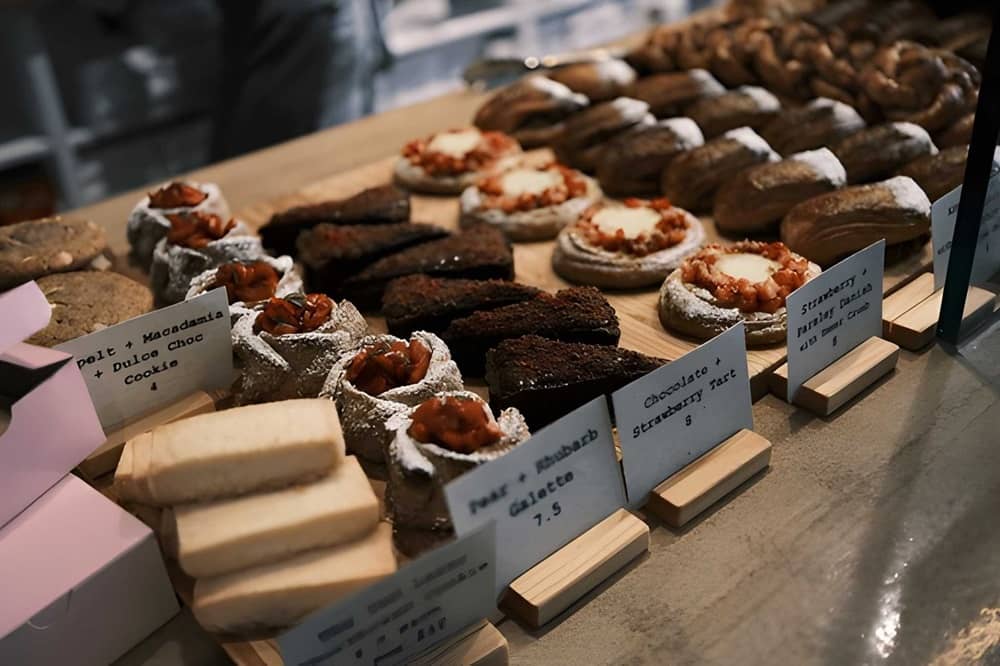 Wholesale Bakery Supplies: How One Supplier Can Streamline Your Operations
Running a business that needs wholesale bakery supplies? If so, you might be wondering if it’s better to partner with a single supplier or multiple. This is a good question to ask and there’s certainly a lot to consider. That’s exactly what we’re going to cover today. In this article, we’ll explain the differences between the […]
Read More -
 Types of Food Distributors in Sydney: Which Fits Your Menu
Whether you’re well established or planning a brand-new venture, a food service business is nothing without a dependable supply chain. Finding the right supplier and setting up the right processes is the most crucial decision to make. So, if you’ve been trying to find a new food distributor in Sydney, we’re going to break down […]
Read More -
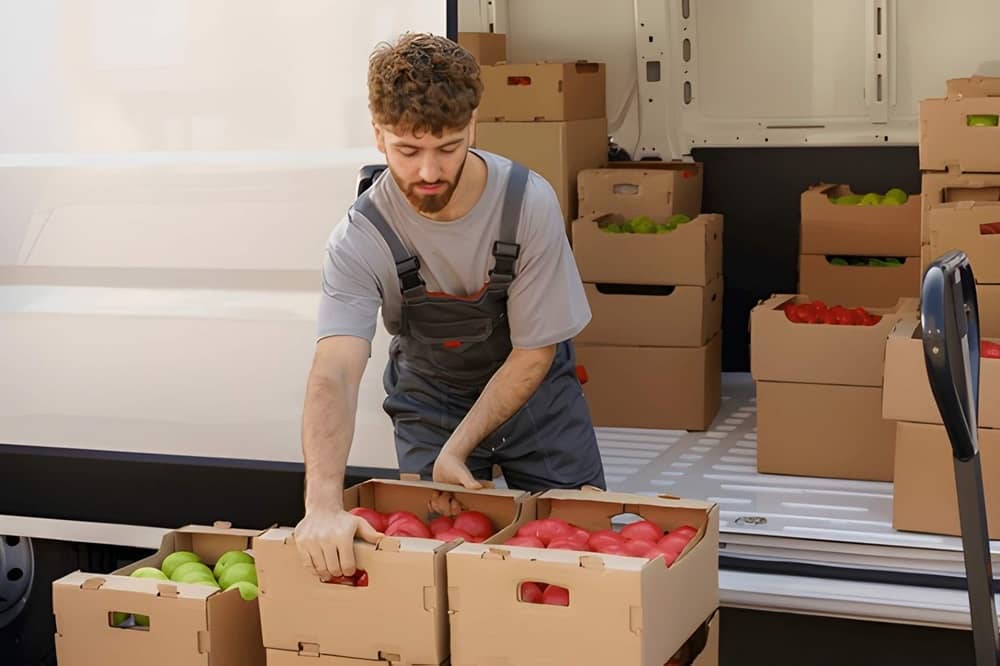 How Can I Find the Right Wholesale Food Supplier? Key Criteria and Qualities to Look For
From cafes to bakeries, pubs, and restaurants, a reliable supply chain is integral to anyone in the Australian food service industry. When deliveries show up on time and as promised, operations naturally fall into place. When things don’t arrive on schedule and orders aren’t fulfilled, trouble is likely to follow. The question is – ‘How […]
Read More