Check for Free Delivery

Blog
Working with Food Distributors in Melbourne: A Single Account or Multiple Suppliers?

By Foodistribute
Running a food venue in Melbourne isn’t easy. Between staffing, menus, guests, compliance and inventory, there’s certainly a lot to stay across. Without a doubt, one of the most important aspects to get right is the food supply chain and partnering with the right suppliers.
The question is, how many distributors do you need? Is it better to seek out one for all of your stock, or several for the same menu? Let’s take a look.
What is a food distributor, and what do they provide?
At its simplest, a wholesale food distributor is the bridge between the growers, food manufacturers, and importers to a commercial kitchen. They purchase goods in large quantities, store them in temperature-controlled warehouses, and coordinate daily deliveries to restaurants, cafés, caterers, and institutions.
By partnering with distributors, a venue gains direct access to bulk quantities of goods at wholesale prices. Restaurants, pubs, and cafés often depend on distributors to ensure that there’s a consistent supply of stock and ingredients. Event caterers also rely on them to adjust order volumes for event sizes that might happen to change from week to week.
The difference between broadline and specialty distributors in Melbourne
Choosing between distributor types depends largely on your menu requirements and how you prefer to manage inventory.
Broadline suppliers are large-scale wholesalers carrying a wide variety of foundational items. They supply high-turnover staples, such as flour, cooking oils, dairy, frozen goods, cleaning products, and packaging, under a single account. They are structured to efficiently supply kitchens with everyday bulk essentials.
Specialty distributors focus on specific culinary categories, offering greater product depth within their niche. They are often the best resource for imported cheeses, couverture baking chocolate, cold-pressed olive oils, authentic regional groceries, and unique garnishes that give dishes their signature flavour.
Fresh produce merchants in Melbourne generally operate through the Melbourne Wholesale Market in Epping, where fruit and vegetables are sourced daily and dispatched fresh each morning.
While broadline suppliers cover high-volume kitchen essentials and specialty houses provide distinct menu components, some deep-range specialty distributors offer a balance of both. This combination allows venues to source core staples alongside specialised ingredients under one account.
Can one distributor remove the need for multiple accounts?
Consolidating your supply chain with a single distributor can really simplify weekly kitchen operations. Working with fewer suppliers generally streamlines daily workflows, allowing kitchen teams to place one consolidated order, receive a single organised delivery drop, and process one statement at the end of the month.
If you want to consolidate the account and streamline processes, it helps to partner with a distributor that offers genuine range depth. If you’ve found a supplier that covers both your core staples and your key specialty ingredients, there’s no need to wait on deliveries from multiple different sources.
What specialty lines can a food distributor deliver?
This can change from business to business, but here’s everything we offer right here at Foodistribute:
Cheese & Dairy: Fresh mozzarella, burrata, ricotta, and curated hard cheeses alongside daily dairy essentials.
Japanese / Asian: Regional pastes, soy sauces, dashi, mirin, and specialty pantry staples for Asian menus.
Chocolate & Patisserie: Professional couverture callets, cocoa butter, nut pastes, gelatines, and technical baking items.
Coffee & Tea: Specialty roast beans, bulk tea leaves, and cafe-style hot beverage supplies.
Crackers & Snacks: Artisanal crackers, bar snacks, nuts, and presentation-ready grazing components.
Meat & Seafood: Premium proteins, cured meats, anchovies, preserved seafood, and specialty cuts.
Equipment & Material: Kitchen consumables, food packaging, service gear, and essential prep materials.
Beverages & Water: Still and sparkling waters, juices, mixers, and non-alcoholic beverage lines.
Oil & Vinegar: Single-origin olive oils, finishing oils, aged vinegars, and cooking oils.
Pantry / Grocery: Grains, pulses, flours, canned staples, and general dry goods.
Interested in any of these categories? Explore our full range today or contact us directly for any product related enquiries.

Which hidden costs make four suppliers dearer than one?
Comparing overall operational factors alongside individual product prices can offer a clearer picture of total purchasing costs.
| Operational Factor | Managing Multiple Accounts | Managing a Consolidated Account |
| Minimum Spend | Meeting several separate order thresholds weekly | Easily meeting one combined threshold |
| Delivery Management | Coordinating multiple delivery windows and potential freight fees | Enjoying a single consolidated delivery run |
| Invoice Admin | Reviewing and logging multiple individual invoices | Processing one clear, unified statement |
| Stock Ordering | Adjusting order sizes across suppliers to meet minimums | Ordering exact stock quantities as needed |
| Account Support | Contacting different representatives for order queries | Working with a single dedicated point of contact |
Should you trial a distributor before committing?
Testing a new supplier with a trial order is an effective way to evaluate their service in real-world conditions:
- Place a Balanced Order: Mix standard pantry items with two or three specialty ingredients to assess both general range availability and product depth.
- Review Delivery Execution: Check that the delivery arrives within its expected timeframe and that chilled products are properly temperature-controlled.
- Verify Product Dockets: Cross-check physical stock against the invoice to confirm item quantities, pack sizes, and pricing accuracy.
- Evaluate Customer Service: Observe how the supplier manages inventory updates or stock adjustments, as helpful communication makes ongoing ordering much smoother.
Partner with Foodistribute Today
Looking to simplify your venue’s ordering routine? We’re a well-known food distribution team serving Melbourne, Sydney and Australia since 1998. At Foodistribute, we proudly supply wholesale pantry staples alongside premium specialty imports, artisan cheese, and couverture chocolate.
Whether you need restaurant food suppliers in Melbourne or food service distributors in Australia, we offer a service with:
- Natural & Organic Ingredients
- Eco Friendly Products
- 24/7 Online Customer Support
- One-Stop Shop Distribution
If you’re currently searching for wholesale food suppliers in Melbourne or food service distributors in Australia, we’ll provide a service that’s second to none.
Frequently Asked Questions
How many food suppliers does a Melbourne restaurant usually need?
It depends on the size, style, and menu. However, many hospitality venues traditionally maintain three or four accounts, such as a fresh produce supplier, a butcher or seafood merchant, a dry-goods wholesaler, and a specialty importer. However, many kitchens choose to consolidate to one or two main suppliers by partnering with deep-range distributors that cover both everyday staples and gourmet specialty lines.
What is a typical minimum order for wholesale food delivery in Melbourne?
Minimum order values in Melbourne generally start around $200 for accessible specialty suppliers and can reach $500 or more for large broadline distributors. Matching a supplier’s minimum spend to your regular weekly usage helps keep ordering simple and economical.
Do food distributors in Melbourne deliver to small cafes and outer suburbs?
Yes, most wholesale distributors service the broader Melbourne metropolitan area. Delivery frequency often varies by location, with inner-city venues receiving frequent daily runs and outer suburbs serviced on specific days of the week.
What is the difference between a broadline and a specialty food distributor?
A broadline distributor carries a wide selection of bulk staples, packaging, and high-volume commodity goods. A specialty distributor focuses on specific product lines, such as artisan cheeses, baking chocolate, regional pantry items, and specialised oils. Deep-range distributors combine aspects of both models.
Where do Melbourne distributors source fresh produce and specialty imports?
Fresh fruit and vegetables are sourced through the Melbourne Wholesale Market in Epping. Specialty and imported ingredients are supplied through dedicated international food importers, local artisan producers, and regional manufacturers.
-
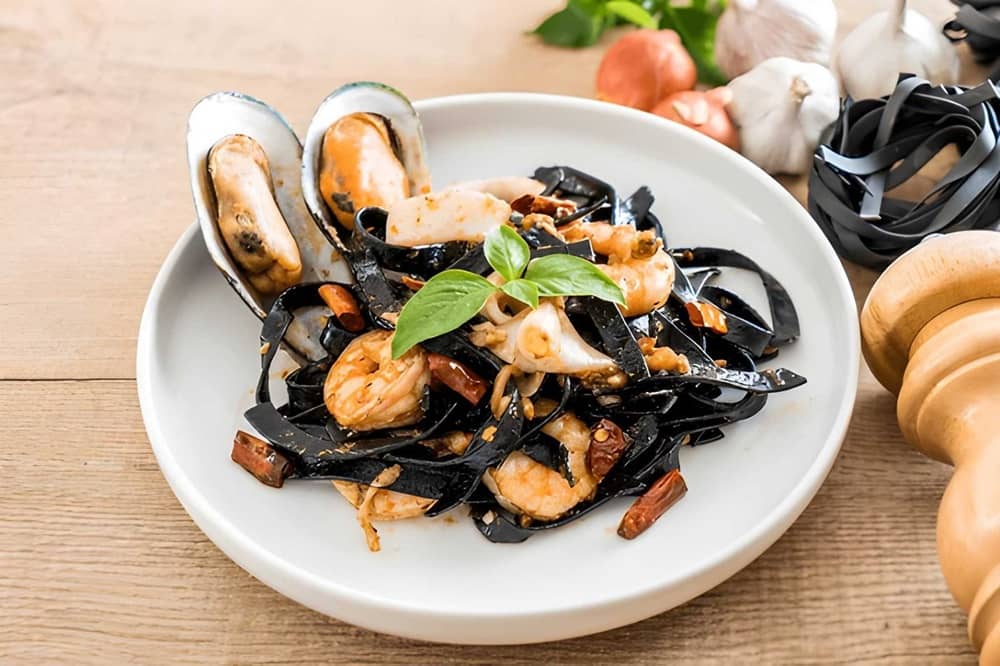 Squid Ink for Professional Kitchens: Uses, Storage, and Wholesale Buying Tips
From the shores of the Mediterranean to markets in Japan, squid ink has been used as a food additive for thousands of years. While it might not be the first thing you reach for in the kitchen at home, it’s quickly become a mus- have for restaurants across Australia. If you’ve been looking to add something a […]
Read More -
 A Buyer’s Guide to Callebaut Couverture
By Foodistribute Founded in Belgium way back in 1911, Callebaut has been setting a new standard for the art of chocolate making for more than a century. Today, one of their signature products is the Callebaut couverture, a chocolate carrying enough cocoa butter to flow thin and set with a snap. Below, we’ll explain some […]
Read More -
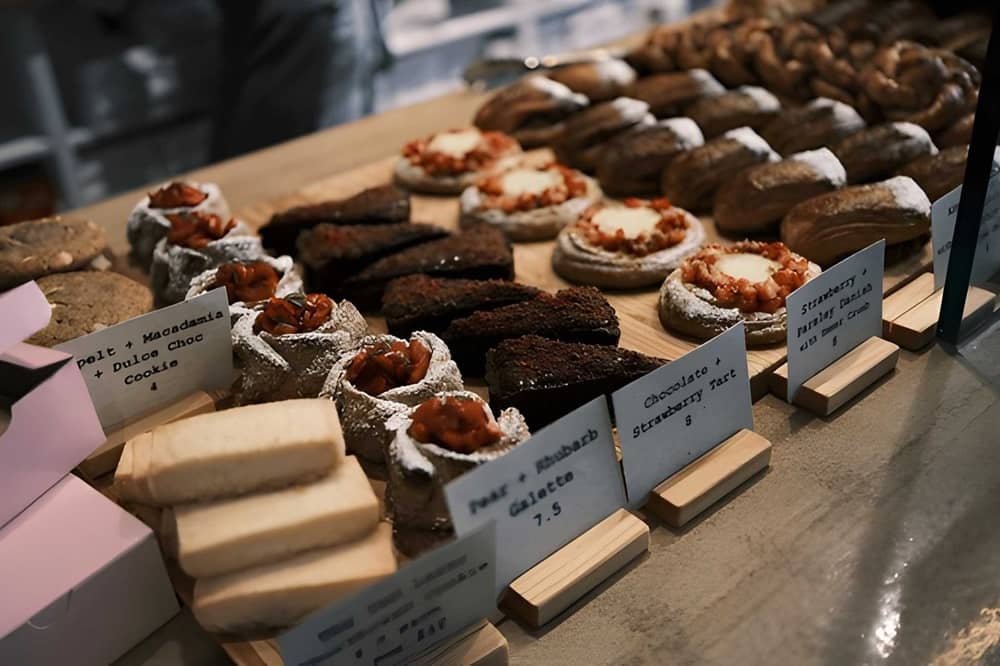 Wholesale Bakery Supplies: How One Supplier Can Streamline Your Operations
Running a business that needs wholesale bakery supplies? If so, you might be wondering if it’s better to partner with a single supplier or multiple. This is a good question to ask and there’s certainly a lot to consider. That’s exactly what we’re going to cover today. In this article, we’ll explain the differences between the […]
Read More -
 Wholesale Food Supply: Important Questions to Ask as a Buyer
Wondering if using a wholesale food supplier is the right move for your business? From reliable supply to accessing specialty products, there are certainly a range of benefits on offer if you decide to use this approach. If this is your first time using a wholesale supplier, it’s only natural to have a few questions. […]
Read More