


 Check for Free Delivery
Blog
Bottled or Fresh Yuzu? A Guide for Melbourne Restaurants and Kitchens
By Foodistribute
In 2026, Japan officially overtook Indonesia as the most popular travel destination for Australians (news.com.au). Back home, there’s also been a huge surge in the popularity of Japanese cuisine.
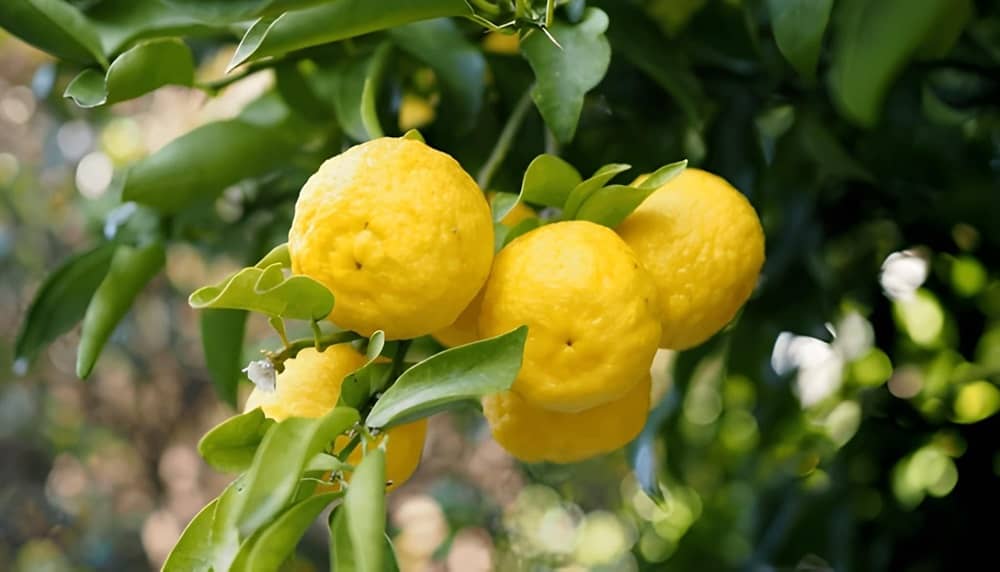
One of the items that’s become highly sought after is yuzu juice. Aromatic and fresh, yuzu is a citrus fruit that looks quite like a lemon, yet has its own unique flavour profile. When it comes to sourcing it for a restaurant, the question comes down to whether it’s best to source bottled or fresh yuzu.
If you’re running a kitchen in Melbourne, we’re here to break down the fundamental differences between the two. Read to learn more!
What is yuzu juice, and how do kitchens typically use it?
Despite its strong association with Japan, yuzu actually originates from the Citrus Jonas tree in China. These days, however, it is cultivated mostly in Japan and Korea (where it is called yuja). Though it may resemble a table fruit, it is primarily used for its zest, peel and sour juice (Source: Sydney Morning Herald Good Food).
Yuzu juice is a tart, fragrant syrup that tastes somewhere between grapefruit, a lemon, and a mandarin. In a kitchen, it has a huge range of different uses and applications. You might find it being used for:
- Seafood dishes
- Starter plates
- Soft drinks
- Desserts
- Meat dishes
- And much more
One of the biggest selling points of yuzu is that it is far more sour than most of the everyday citrus staples used in Australian kitchens. You get a grapefruit flavour profile up front with a mandarin note behind it, as well as a floral lift that ordinary lemon cannot give you. That combination is what a squeeze of lemon cannot achieve, and it is why yuzu reads as special on a menu.
It also happens to be rich in vitamin C, about 59% of a day’s worth in 100 grams (Source: Healthline).
Once yuzu earns its place on your menu, the next question is whether to chase the fresh fruit or buy it bottled.
The benefits of bottled yuzu for a working kitchen
If you want yuzu on the menu, fresh fruit is not only harder to source, but also less of a sure thing. Australia has only a handful of growers, the season is relatively short, and price swings are likely. Bottled juice is the supply a working kitchen can actually plan around, especially if you’re buying in bulk.
Let’s start with supply. Depending on the grower, fresh yuzu is usually in season for either a few weeks or months between February and July. That leaves roughly half the year with no local fruit at all. Therefore, relying on fresh yuzu all-year can be fraught with risk.
Now let’s look at the cost. The fruit’s sourness is the point, but it also means you keep only the fragrant rind and the juice and discard the rest. That is a steep price per box.
Bottled yuzu juice solves both problems. You can buy it year-round from specialty stores and online, you can find it for a steady price, and it’s available in a format you can keep reordering.
A quick guide to finding the right yuzu bottle
A good specialty range runs from 150 ml bottles up to bulk containers of about 1.85 kg, which covers everything from testing a dish to running a full dressing line. Here is how the sizes map to real kitchen use.
| Format | Best for |
| 150 ml | Trialling a new dish, a low-volume garnish, a single cocktail special |
| Mid-size bottle | A steady dressing, sauce or dessert on the regular menu |
| Larger bottle | High-volume service across several dishes |
| Bulk, about 1.85 kg | Dressing, dessert or bar programs pouring yuzu every day |
At Fooddistribute, we have an excellent range of bottled yuzu juice for sale. This includes a variety of sizes, styles, and brands, as well as more yuzu products to complement your menu.
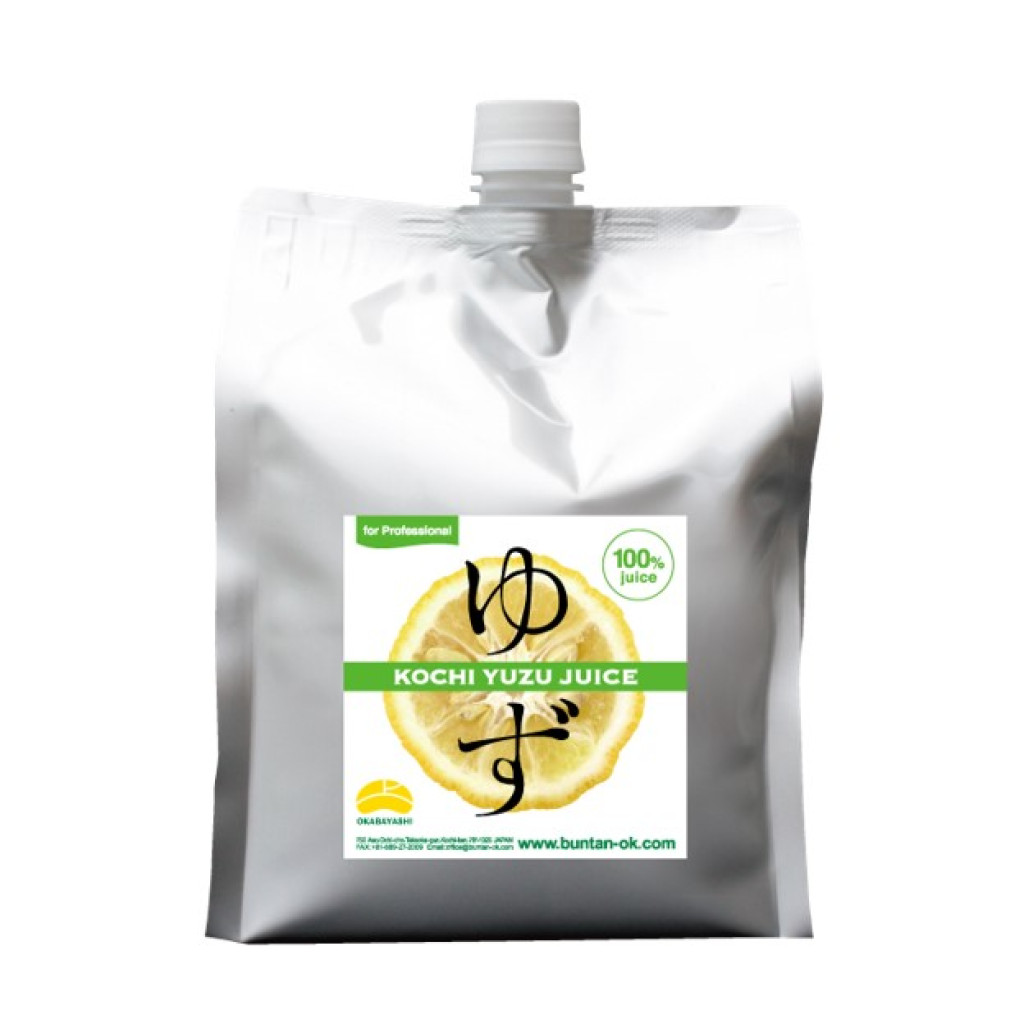
Okabayashi Kochi Yuzu Juice – 1.85kg
Is 100% yuzu juice superior to sweetened blends?
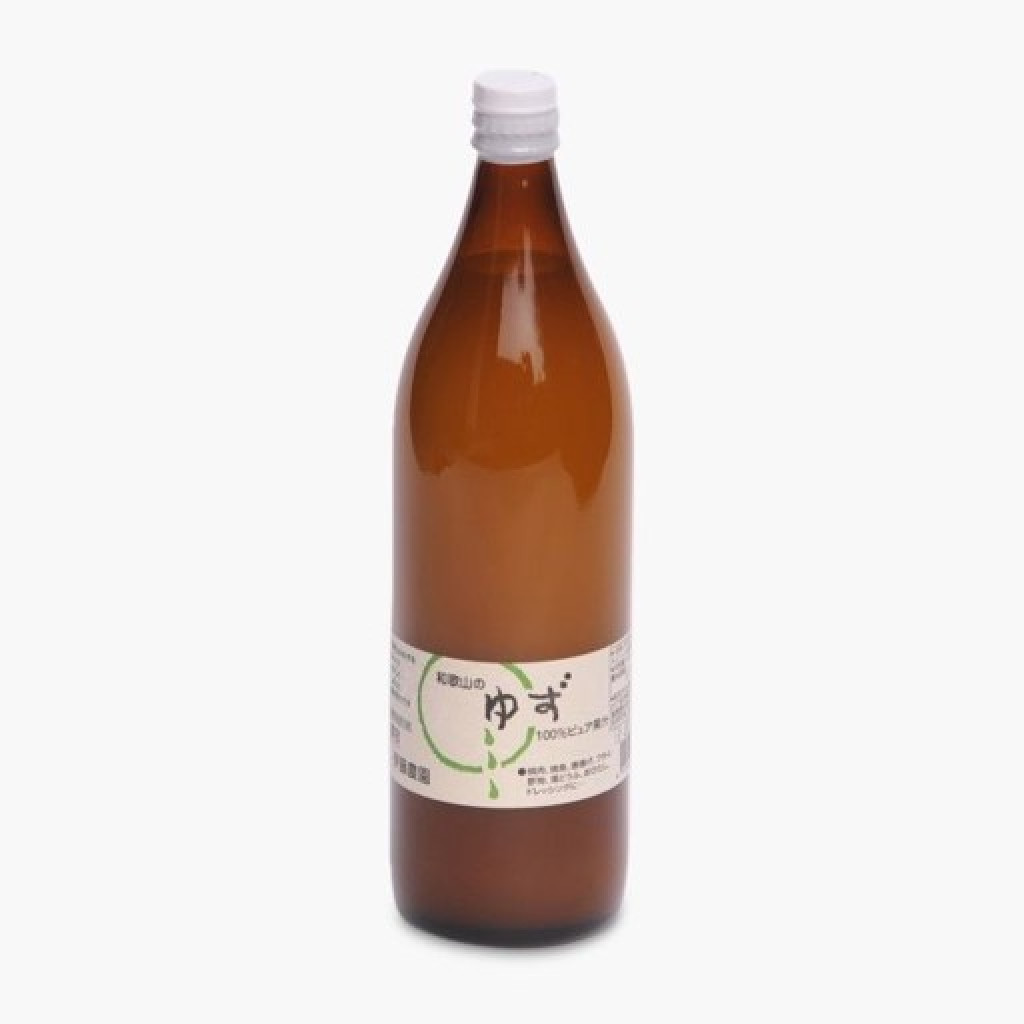
If you really want to capture its flavour and essence, 100% natural squeezed yuzu juice without added sugar or preservatives is the best way to go.
Here is what most buyers miss. Some yuzu products add sugar to soften the sourness, so the ingredient list is the only way to tell them apart. A sweetened blend tastes fine straight from the bottle, which is exactly how it fools you on the shelf.
Higher sugar content can become a problem in a professional kitchen. It shifts the acid balance you are relying on, so a vinaigrette built on a sweet blend needs re-balancing every batch, and a cocktail spec drifts as you change suppliers. With natural yuzu juice and no additive load, the acidity is consistent, and you season around a known quantity.
Clean juice carries its own credentials too. A 100 gram serve is about 53 calories and 59% of your daily vitamin C (Healthline), with none of the additives a blend hides behind. The rule is simple: look for naturally squeezed yuzu juice, read the ingredient list, and treat added sugar as a reason to put the bottle back so the quality ingredient does the work, not the sweetener.
Dishes and drinks that make yuzu juice worth its shelf space
One bottle can go a long way in a commercial kitchen. From dressings and desserts to cocktails and condiments, this citrus ingredient adds a distinctive flavour across a wide range of dishes.
Some of its most popular uses include:
- Salad dressings and marinades for a bright, aromatic citrus note.
- Ponzu, the classic Japanese citrus and soy dipping sauce.
- House-made condiments such as citrus vinegar and kosho, a paste made with zest, chilli, and salt.
- Cocktails, spritzes, and beer for a more fragrant alternative to lemon or lime.
- Non-alcoholic beverages such as tea and soft drinks
- Desserts, such as ice-cream, sorbet, custards, mousses, marmalades, and cakes
Its versatility is what earns it a place in professional kitchens. Rather than buying a specialty ingredient for a single recipe, one bottle can be used across starters, mains, desserts, drinks, and house-made condiments, making it far easier to justify the investment.
What separates a reliable yuzu wholesaler from the pack?
Not all suppliers offer the same quality or level of service. Before placing your first order, ask these five questions to avoid problems later on.
Is it 100% juice? Look for a product with no additives or added sugar. Anything else can change how it performs in recipes and drinks.
Where does the fruit come from? A reputable supplier should be able to tell you exactly where it was grown. For example, fruit sourced from Kochi, Japan, demonstrates clear product provenance, while vague answers can be a red flag.
What pack sizes are available? Whether you need 150 ml bottles or bulk quantities, a good supplier should offer options that match your purchasing needs instead of forcing you to over-order.
Can they supply consistently? Reliable stock levels and dependable delivery schedules are essential if the ingredient appears on your menu.
How is it stored and transported? Juice without preservatives should be handled through an appropriate cold chain to maintain its quality and flavour.
Foodistribute: Leading Yuzu Juice Suppliers in Melbourne and Sydney
When it comes to sourcing high-quality yuzu juice in Melbourne and Sydney, Foodistribute stands out for several reasons:
- Specialty Products: though not readily available in most markets, Yuzu juice is a specialty product at Foodistribute.
- High Quality: All our products are handpicked to ensure the highest quality.
- Comprehensive Range: With Foodistribute, enjoy the convenience of getting all your culinary needs from one place.
- Seamless Experience: We’ve made buying yuzu juice online an easy and stress-free process.
Frequently Asked Questions
What does yuzu juice taste like?
Tart, fragrant and more complex than lemon. Yuzu sits somewhere between grapefruit and mandarin, with a floral edge, and it reads as halfway between a lemon and a mandarin. It is noticeably sourer than everyday citrus, which is why kitchens use it as a seasoning acid rather than a juice you drink.
What can I substitute for yuzu juice?
There is no exact match, but yuzu works as a strong stand-in for lemon or lime, so those are the closest swaps in the other direction. A blend of lemon with a little mandarin or grapefruit gets you nearer the flavour profile. You will lose the floral aroma, so use fresh juice and adjust the acid to taste.
Is bottled yuzu juice as good as fresh yuzu?
For year-round kitchen use, yes. Fresh yuzu is scarce, seasonal, and can be difficult to source on a reliable basis. Bottled juice gives you steady acidity and supply. Fresh rind still wins for garnish and aroma, so many kitchens use both when fruit is in season.
How much yuzu juice should I add to a dish or cocktail?
Start with less than you think. Yuzu is much sourer than lemon, so treat it as a concentrated acid: add a small pour, taste, and build up. In a dressing or a cocktail it is easy to overwhelm the other flavours, and you cannot take it back out. Season it the way you would season with salt, in stages, tasting as you go.
How should I store yuzu juice, and how long does it last?
Keep unopened bottles somewhere cool and dark, and refrigerate once opened. Because 100% juice carries no additives or preservatives, flavour fades faster than a sweetened blend, so plan to use an opened bottle within a few weeks and trust your palate over the date. For long gaps between service, freezing small portions holds the acidity better than leaving it open in the fridge unverified.
What should I check before buying yuzu juice wholesale?
Four things. Confirm the label reads 100% yuzu juice with no added sugar; ask where the fruit is grown; match the format to your weekly volume so nothing spoils; and check if the supplier meets the Australia New Zealand Food Standards Code on imported food. Reliable stock, delivery and handling round out a supplier you can build a menu on.
-
 A Buyer’s Guide to Callebaut Couverture
By Foodistribute Founded in Belgium way back in 1911, Callebaut has been setting a new standard for the art of chocolate making for more than a century. Today, one of their signature products is the Callebaut couverture, a chocolate carrying enough cocoa butter to flow thin and set with a snap. Below, we’ll explain some […]
Read More -
 Wholesale Bakery Supplies: How One Supplier Can Streamline Your Operations
Running a business that needs wholesale bakery supplies? If so, you might be wondering if it’s better to partner with a single supplier or multiple. This is a good question to ask and there’s certainly a lot to consider. That’s exactly what we’re going to cover today. In this article, we’ll explain the differences between the […]
Read More -
 Wholesale Food Supply: Important Questions to Ask as a Buyer
Wondering if using a wholesale food supplier is the right move for your business? From reliable supply to accessing specialty products, there are certainly a range of benefits on offer if you decide to use this approach. If this is your first time using a wholesale supplier, it’s only natural to have a few questions. […]
Read More -
 Types of Food Distributors in Sydney: Which Fits Your Menu
Whether you’re well established or planning a brand-new venture, a food service business is nothing without a dependable supply chain. Finding the right supplier and setting up the right processes is the most crucial decision to make. So, if you’ve been trying to find a new food distributor in Sydney, we’re going to break down […]
Read More